

Following several football competitions at once can make it difficult to remember kick-off times, venue changes, and the difference between local and international schedules. A fixtures page can make this information easier to scan, but readers still need to verify details and understand the page they are using. This guide explains a practical way to organize match schedules, assess a sports information site, and keep online activity secure.
Build a reliable matchday schedule
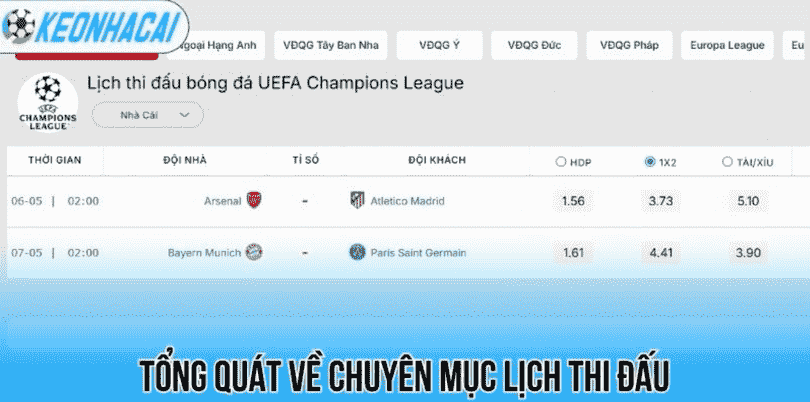
Start with the competition name and the date shown by the source. Some tournaments publish fixtures according to a host country’s local time, while a viewer may be in another time zone. Confirm the time zone before adding a match to a personal calendar. If a fixture is postponed, check the updated date instead of relying on an old screenshot or copied list.
A site such as keonhacai5 can serve as a place to review football information and locate upcoming matches. Before relying on a listing, look for the latest update time and compare a changed fixture with the league or club announcement. This simple cross-check is especially useful during cup competitions, where postponements and rescheduling can affect later rounds.
For a busy matchday, group fixtures by competition or start time rather than keeping one long unfiltered list. Mark the matches you intend to follow, then revisit only those entries near kick-off. This keeps attention on useful information and reduces the chance of confusing one match with another that has similar team names.
Read the Lịch thi đấu page with context
The Lịch thi đấu section should be read as a schedule, not as a prediction. Check whether the page displays the date, kick-off time, tournament, and home and away teams in a consistent order. If one of these details is missing, verify it elsewhere before making plans around the listed time.
Schedules also provide context for evaluating a team’s workload. Several matches in a short period can affect travel, recovery, and squad rotation. That observation alone does not show how a particular game will finish, but it can explain why a coach may rest players or adjust the starting lineup. Look for confirmed team news instead of treating speculation as fact.
When comparing fixtures across sources, be careful with abbreviations, reserve sides, and youth competitions. A two-letter competition code may be unfamiliar, and teams with similar names can belong to different divisions. Open the match details and check the competition label before sharing a link or saving the event.
Readers who follow leagues in multiple countries can keep a short reference note for the time zones they encounter most. Convert kick-off times once, label the calendar entry with the competition, and check whether daylight-saving changes apply. This small habit can prevent a missed match and makes it easier to compare a schedule with official announcements.
Evaluate the platform and protect your access
A useful sports platform should make navigation clear and display terms, privacy information, contact options, and support guidance in an accessible way. Try the site on the device you normally use and see whether dates remain legible on a small screen. Avoid pages that hide important conditions behind confusing prompts or pressure visitors to register immediately.
If registration is offered, use a unique password and enable an additional sign-in check when available. Keep one-time verification codes private, avoid installing files from unverified messages, and do not sign in through unfamiliar links. On a shared device, sign out when finished and avoid saving credentials in a public browser.
A good review also considers whether information is easy to correct when the schedule changes. Look for a visible update timestamp, a way to report errors, and consistent naming across the fixture list and event details. If data appears stale, compare it with an official source before forwarding it to friends or relying on it for plans.
Some sports websites also promote betting services. Before using any money-based feature, check the rules that apply where you live and decide whether the activity is appropriate for you. Set a time and spending limit in advance, never use essential or borrowed funds, and stop if the activity becomes stressful or difficult to control.
Conclusion
A clear routine makes fixtures easier to follow: confirm the competition, check the time zone, verify changes, and save only the matches that matter to you. Treat schedule pages as reference tools and protect any account with careful security habits. If betting features are present, remember that match outcomes are uncertain, set firm limits, and follow local law.
Keeping notes about the source and update time also helps readers review information later without relying on memory alone.