
A football schedule is more useful when it fits the way you actually follow the sport. Dates, competition stages, time zones and event status all affect how a fixture should be read. This guide explains how to turn an online fixture list into a focused viewing plan without assuming that every displayed entry will remain unchanged. It covers finding the right event, checking updates and preserving enough context to return later. No particular coverage or notification feature is assumed to exist. Readers should confirm current information on the relevant page and appropriate event sources.
Choose competitions and identify the correct fixture
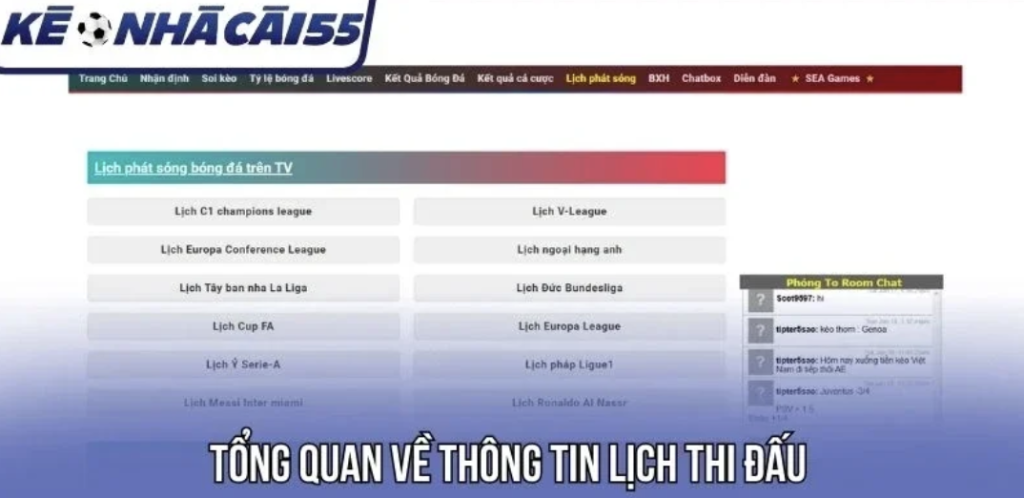
When visiting keonhacai, first distinguish the fixture area from results, commentary or market information. If the purpose is planning, start with the competition and date rather than a number displayed elsewhere. Check full team names and the stage of the event. Similar pairings may appear more than once during a season or in separate competitions. A familiar name is not enough to identify the correct fixture. Use the first visit to understand the list structure, available explanations and route back to the main categories before adding anything to a personal plan.
If filters are available, narrow the schedule to the competitions you genuinely follow. A shorter list is easier to verify than a large collection of events you do not intend to watch. Check the selected fixture after filtering, including the stated time and any status note. If you cannot find an expected match, review the competition and date before assuming it was removed. The source may use a different naming convention or display arrangement. A missing entry is a reason to investigate, not an automatic conclusion about what has happened.
Read fixture times and updates in their stated context
Readers opening Lịch thi đấu should check the time zone or display convention explained by the page. A scheduled time can be misunderstood if it is copied without that context. Consider the event date as well as the hour, especially when following competitions in different regions. Do not rely on memory or a previous screenshot when arranging a later viewing session. Current schedule information should be checked again through the relevant source, with any change read alongside the event status rather than treated as an unexplained contradiction.
Fixtures may be updated, postponed or otherwise clarified by the competition. When a change appears, examine the notice and verify that the source is referring to the same event. Do not infer a cancellation simply because a time is no longer shown in the place you expected. If separate pages differ, compare their update times and the scope of the announcement. A schedule is planning information, not a promise that nothing will change. Keep room in your routine for a final check rather than building an inflexible plan around an old listing.
A small personal record can include the competition, full event name, displayed date, time convention and source. Add a note indicating when you last checked it. This makes the record easier to review without collecting excessive information. Keep passwords and account details out of the same note. If the page offers reminders, read what they cover and use only those you need. A reminder can help you return, but it should not replace checking the event details.
Build a viewing routine that respects time and account safety
Decide which events fit your available time instead of allowing the entire fixture list to set your routine. Watching or reading about sport should not repeatedly displace work, sleep or family responsibilities. If several matches overlap, choose according to your interests rather than trying to monitor everything. Check the list at planned moments instead of responding to every possible update. On a phone, read the complete event labels before saving a reminder. If the display is unclear, use the help information or another appropriate source rather than guessing the missing context.
An information page should not require you to disclose sensitive account data simply to explain a fixture. Use verified contact details for questions, keep verification codes private and avoid unknown extensions promising special schedule access. If linked content involves betting, remember that a fixture does not predict a result or guarantee a return. Only eligible adults should consider regulated services under local requirements and with money they can afford to lose. Never borrow or increase spending to recover losses. Pause if following events becomes stressful or difficult to limit.
Conclusion
A clear football viewing plan starts with the correct competition, event and time convention. Confirm changes through current information, keep enough context in personal notes and treat reminders as aids rather than guarantees. You do not need to follow every event to make good use of a schedule. Choose what fits your interests and available time, protect account information and separate planning from expectations about results. When a listing is unclear, checking again is more useful than turning an assumption into a fixed commitment.